
When I told my husband that we were going to stop by the Henry Ford Museum while visiting Detroit, I could see the hesitation in his face; he is a Volkswagen person not a Ford person. I began to explain to him that the Henry Ford Museum is not about the Ford brand. It is about what Henry Ford stood for. Henry Ford was innovator and a collector, something generations of the Ford Family continued. The museum and Greenfield Village is the lasting legacy of who Henry Ford was and what he stood for. Ford did not just want to building a car, he was about creating a process that produce automobiles efficiently, which the average person could afford.
The museum building is very stately with columns and golden eagles, all done in an architecture style from the American Industrial Revolution.
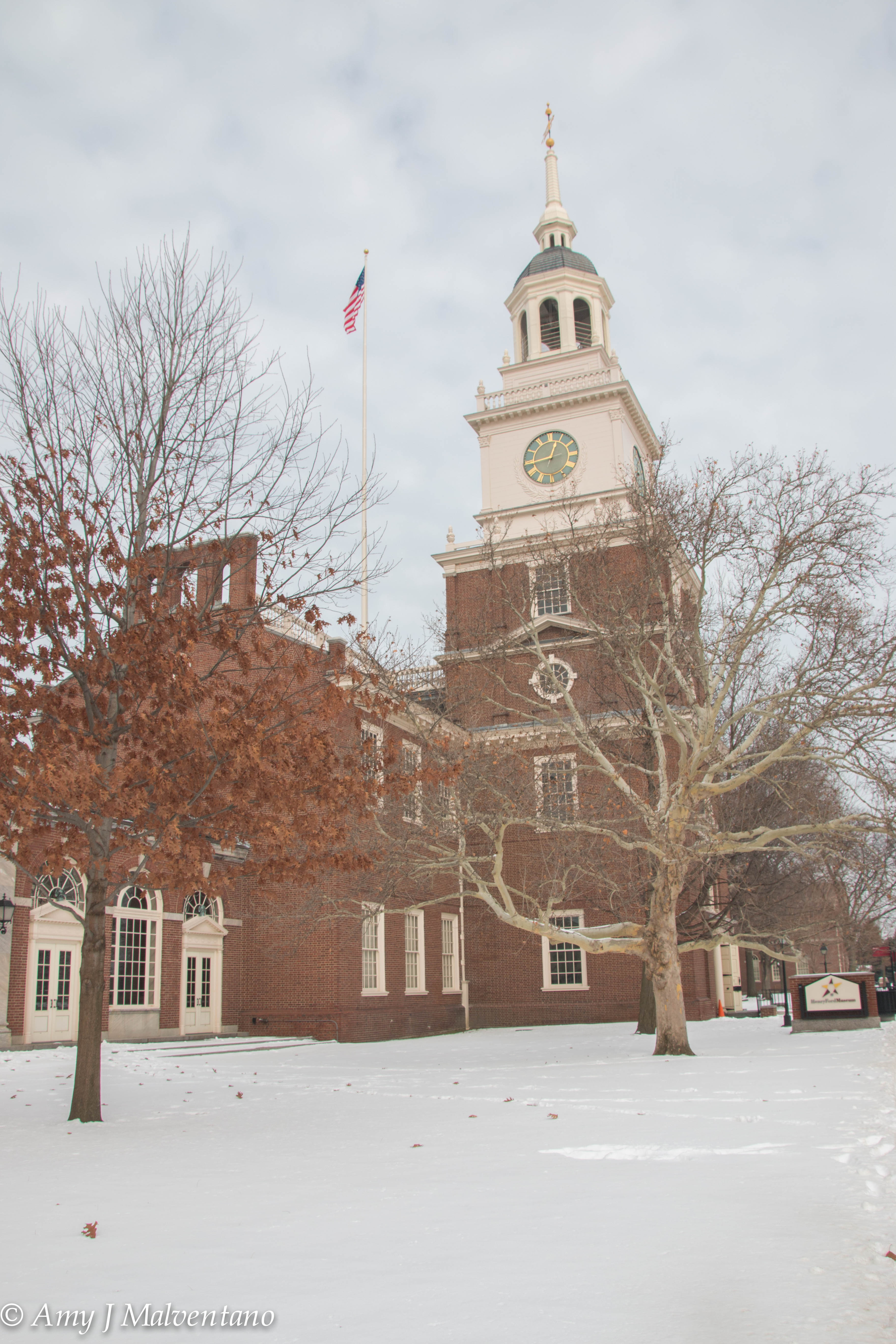

There are several points of entrance for the museum but tickets for all attractions must be purchased at the southeast side of the building. The entrance to museum is actually at the other end of the building. As you walk down the long hallway you see various small collections from early kitchen equipment to crystal characters, while many of the artifacts in the display are nostalgic the displays are not well care for, many are dusty and contain dead bugs. This set the wrong tone for me, making me think that exhibits inside would be poorly care for and or curated.
When you finally reach the beginning of the museum and go into the main exhibit space you a greeted by the 1941 steam Allegheny Locomotive.

It is massive and as your turn and take a quick span you see everything from trains, planes, automobiles to furniture, computers and farming implements, you realize that you got a lot too see and if you like me, not sure where to start.
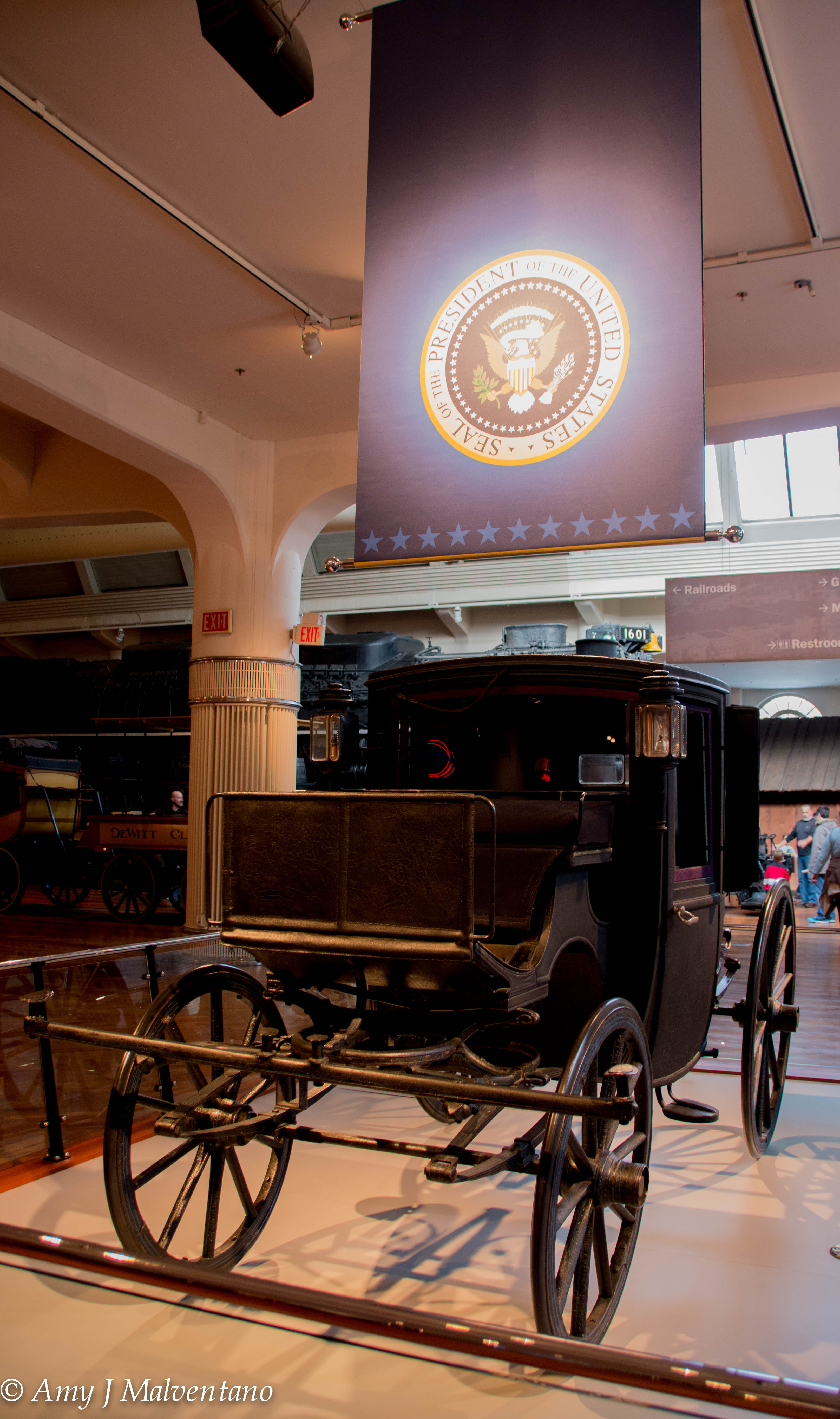
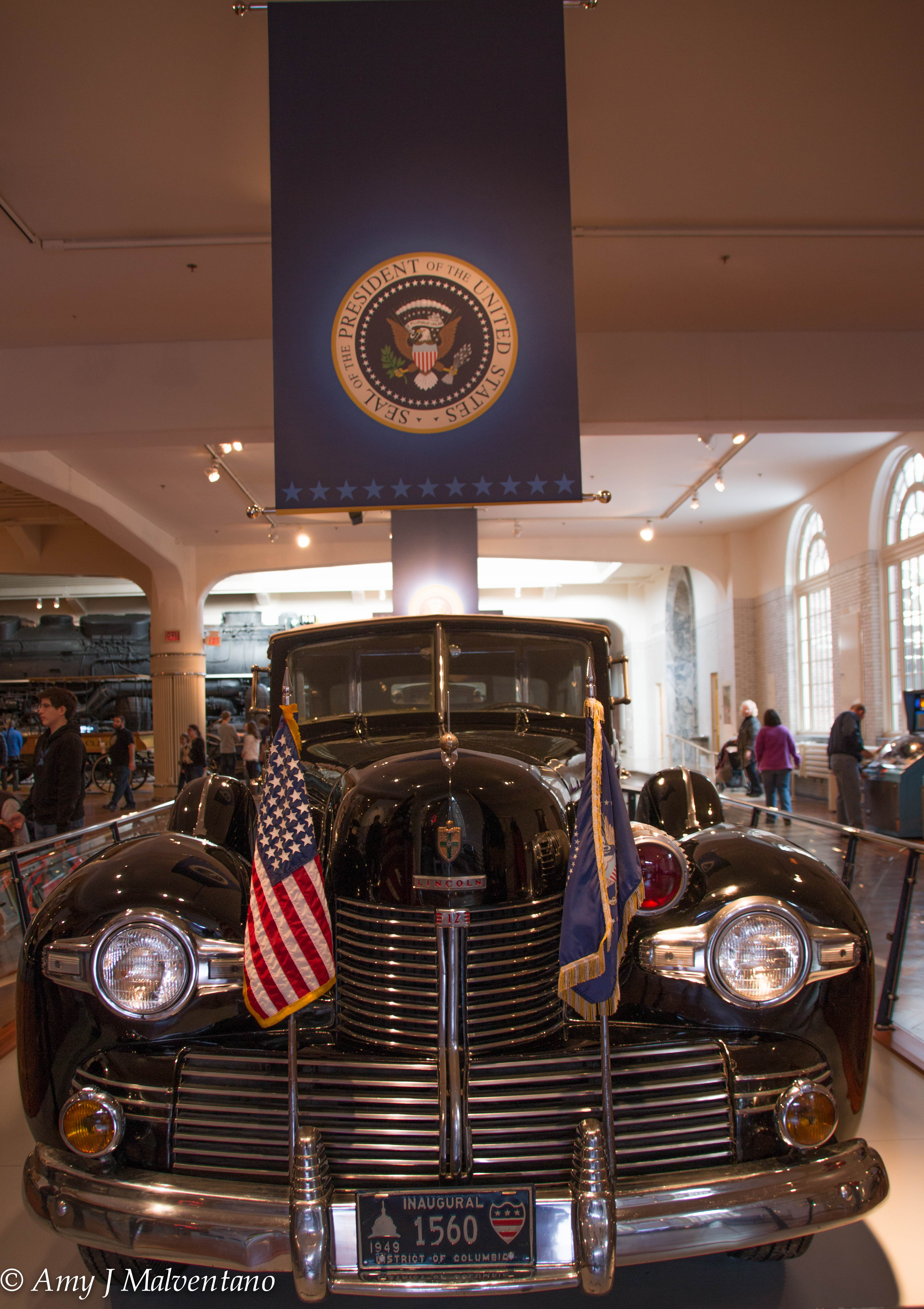
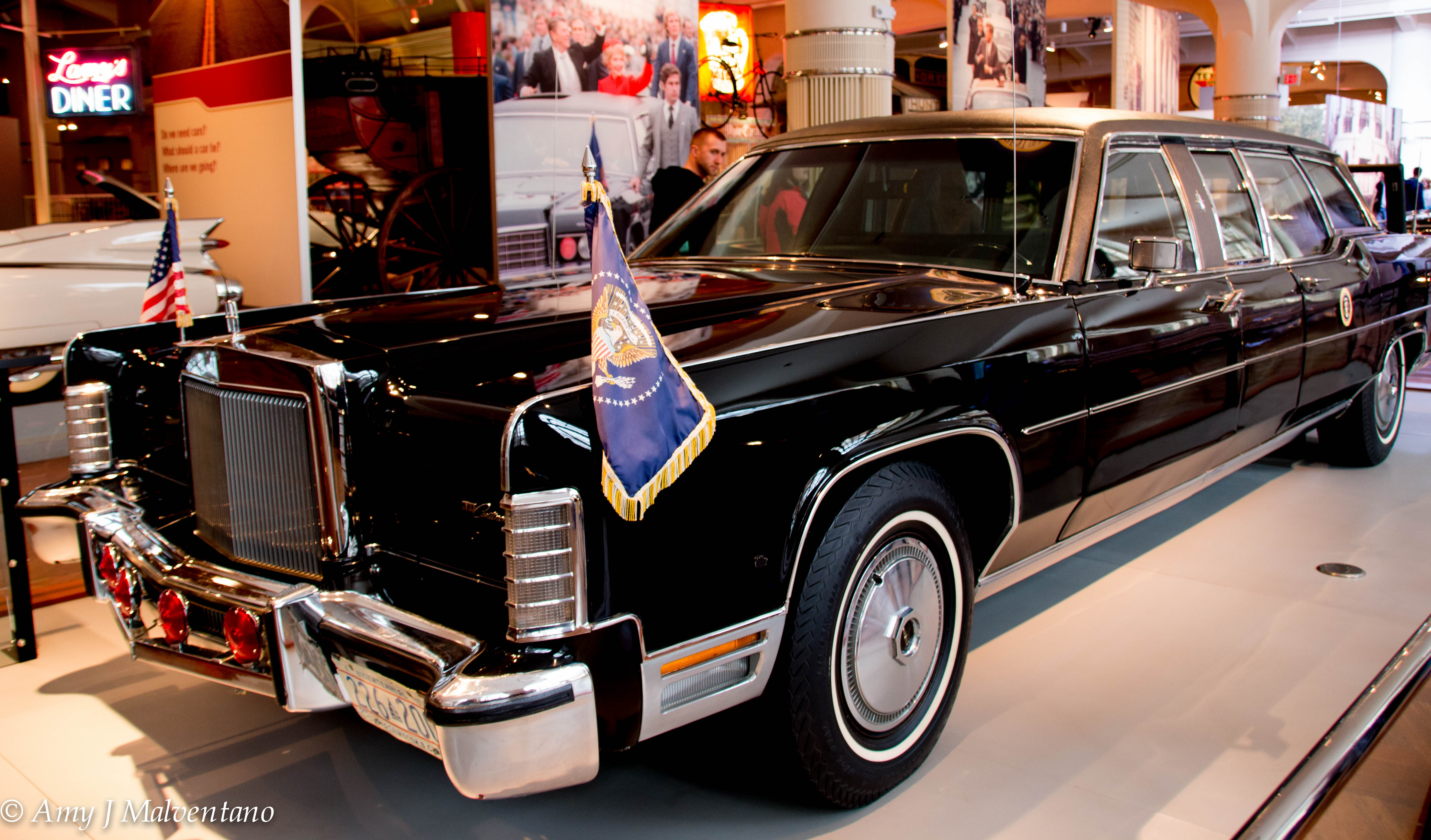
Because of my love for presidential history I was drawn to the collection of presidential limos. Included in this collection is Theodore Roosevelt’s horse drawn Brougham, FDR’s “Sunshine Special” which used, Presidents Eisenhower’s “Bubblestop” (which was used by four presidents: Turman, Kennedy and Johnson) as well as limousines of Kennedy and Reagan. Reagan’s limo was the one in which President Ford was riding in when an attempt on his life was made and this is the last limo to preserved, for today all presidential cars destroyed for security reasons.


After the presidential limos I began exploring the general automotive exhibit. It was massive, everything your average car to concept car to luxury cars. What was most impressive was even through this was museum started by Henry Ford, the former owner of the Ford Motor Company there cars from almost every automotive company.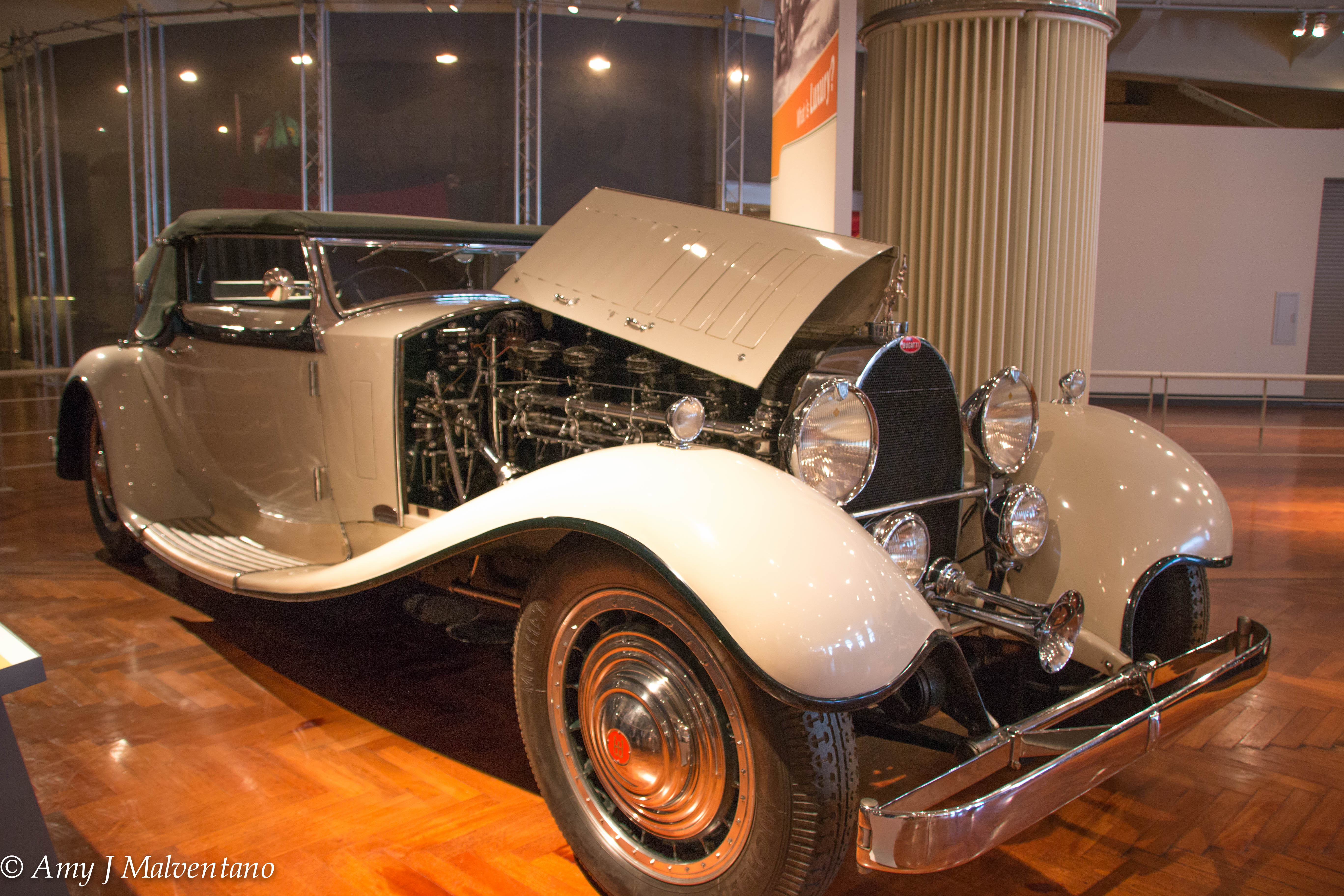

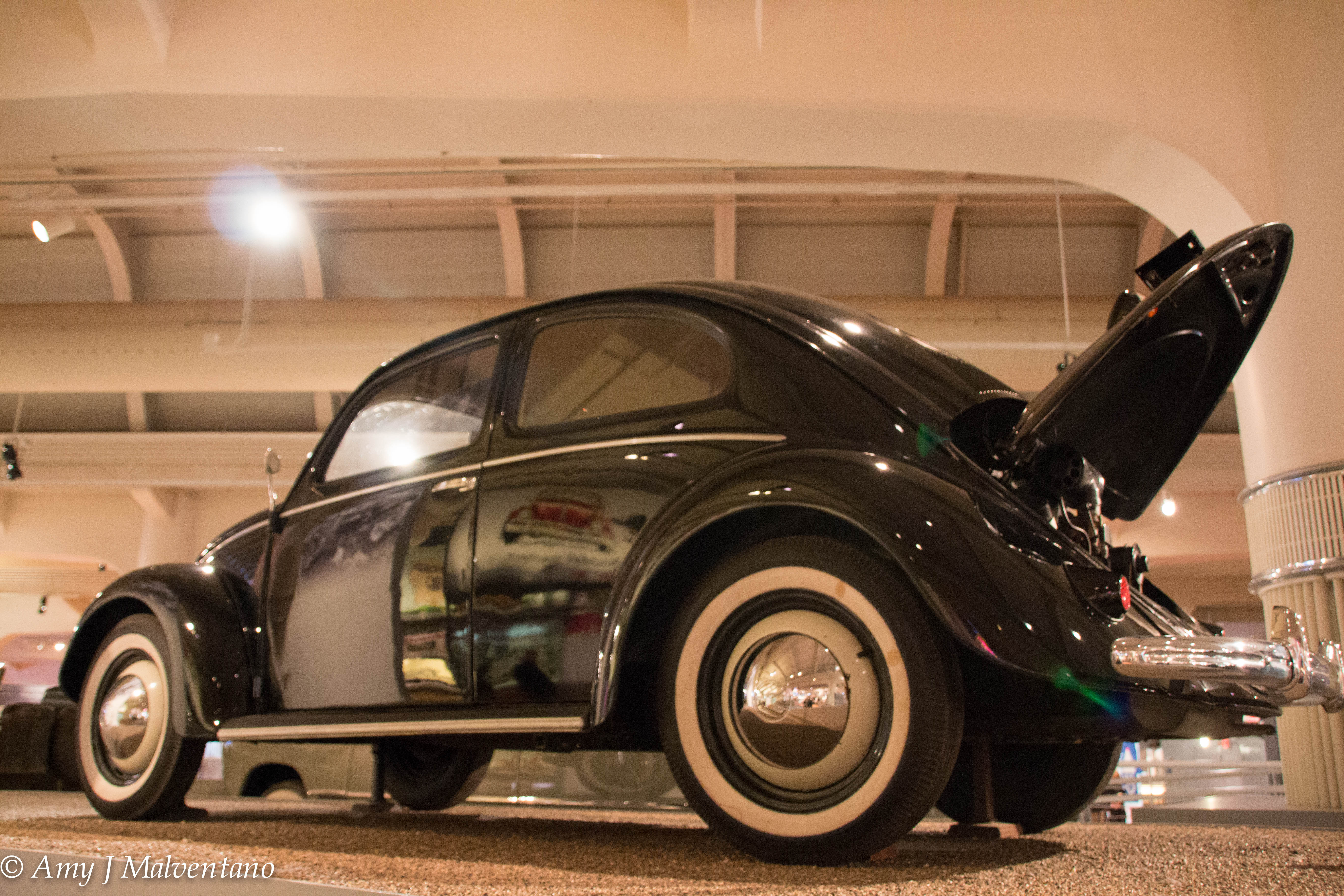
After spending a good hour (if not more) exploring all the different types of cars we took a break in the old dinner, which was in connected to auto section. The food was basic and atmosphere took you back in time.
Then it was time to move on to see all things that fly and move in the air.
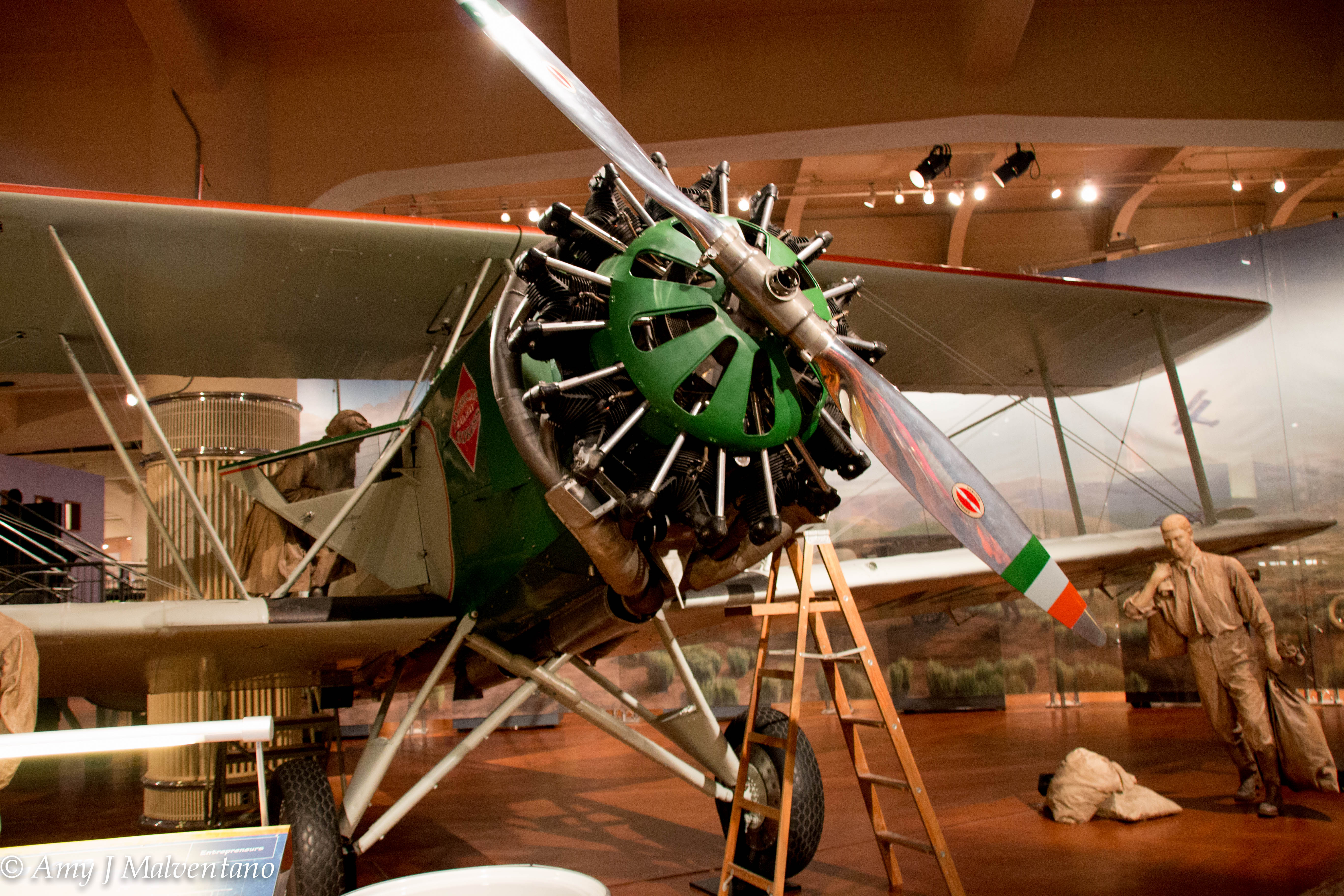
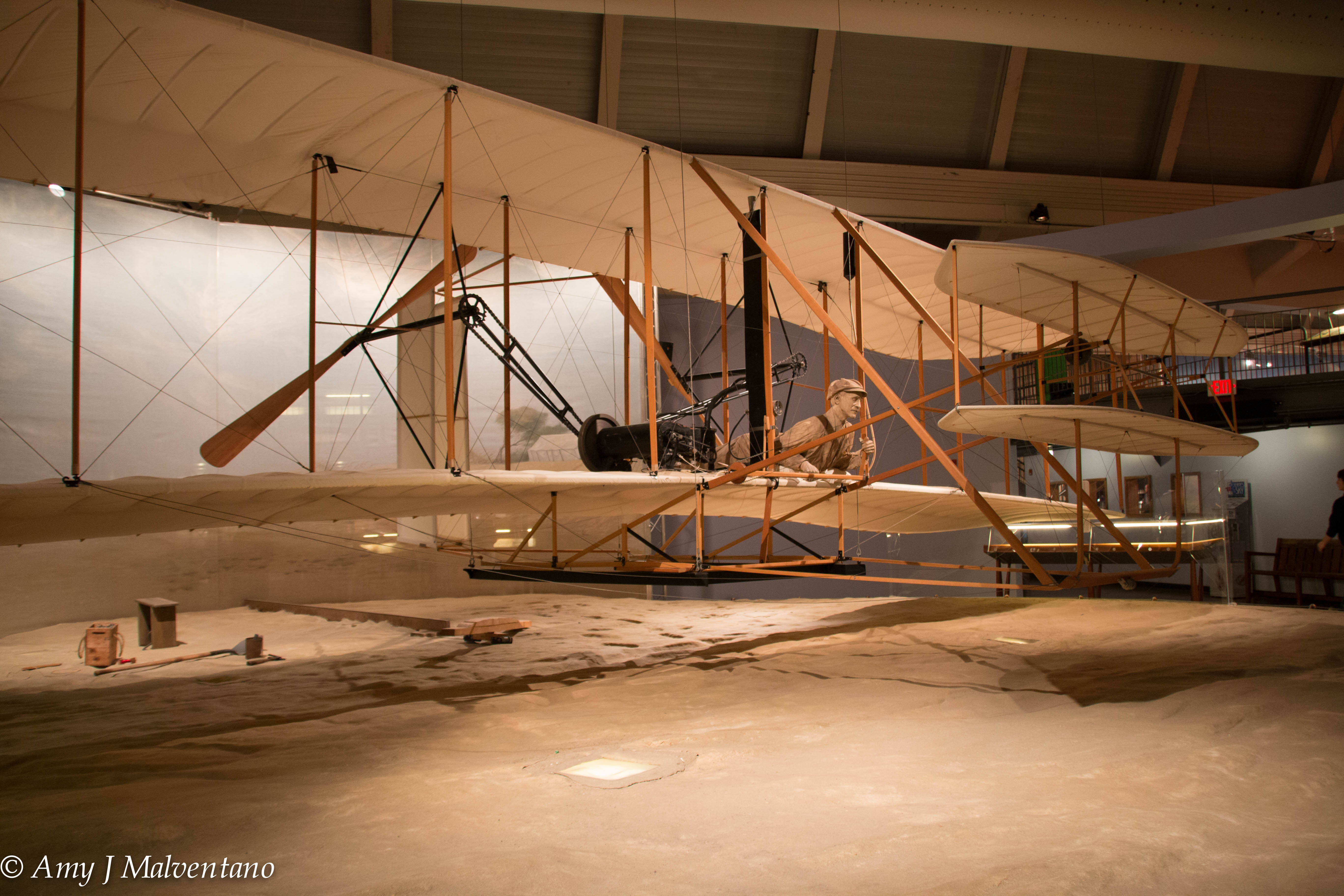
The collection included a replica a Wright Flyer Replica to planes from early 1900s to 1930s. There was also an neat interactive space where kids (or kids at heart) can make paper airplanes and fly, which helps them discover the aerodynamics of flight.
After seeming things all different types of things that GO we went to the tools that help build and produce all of the automotive machines. Ford was about innovation and being able to produce the materials needed to cars here and not having to have materials shipped in. The Rouge Factory and the surrounding area is a prefect example. In the area “Made in America” tell the store of manufacturing and power. From the steam power to milling, here you get see how power is made and helped make industrial America.
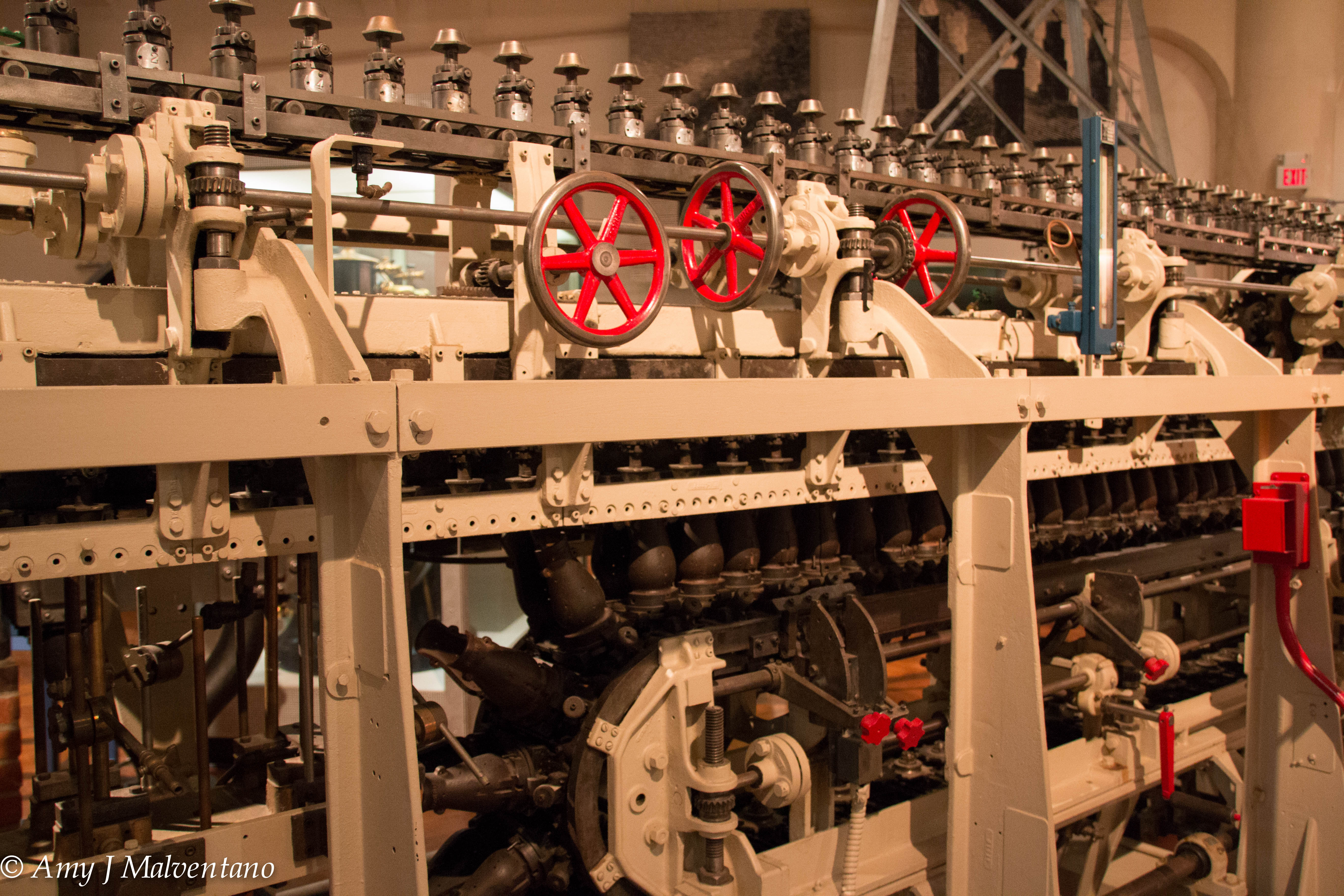

Honestly, my husband was more fascinated by this section than I was, I could have probably walk through in just a few minutes.
After seeing what made power we moved on to see the exhibit “With Liberty and Justice for All,” which explored the topic of “freedom.” At the center of the exhibit was the Montgomery city bus, believed to be the one on which Rosa Parks refused to give up her seat in 1955, sparking the civil rights movement. Visitors to museum can walk through and sit in the bus; you can even sit the seat that Parks sat in.


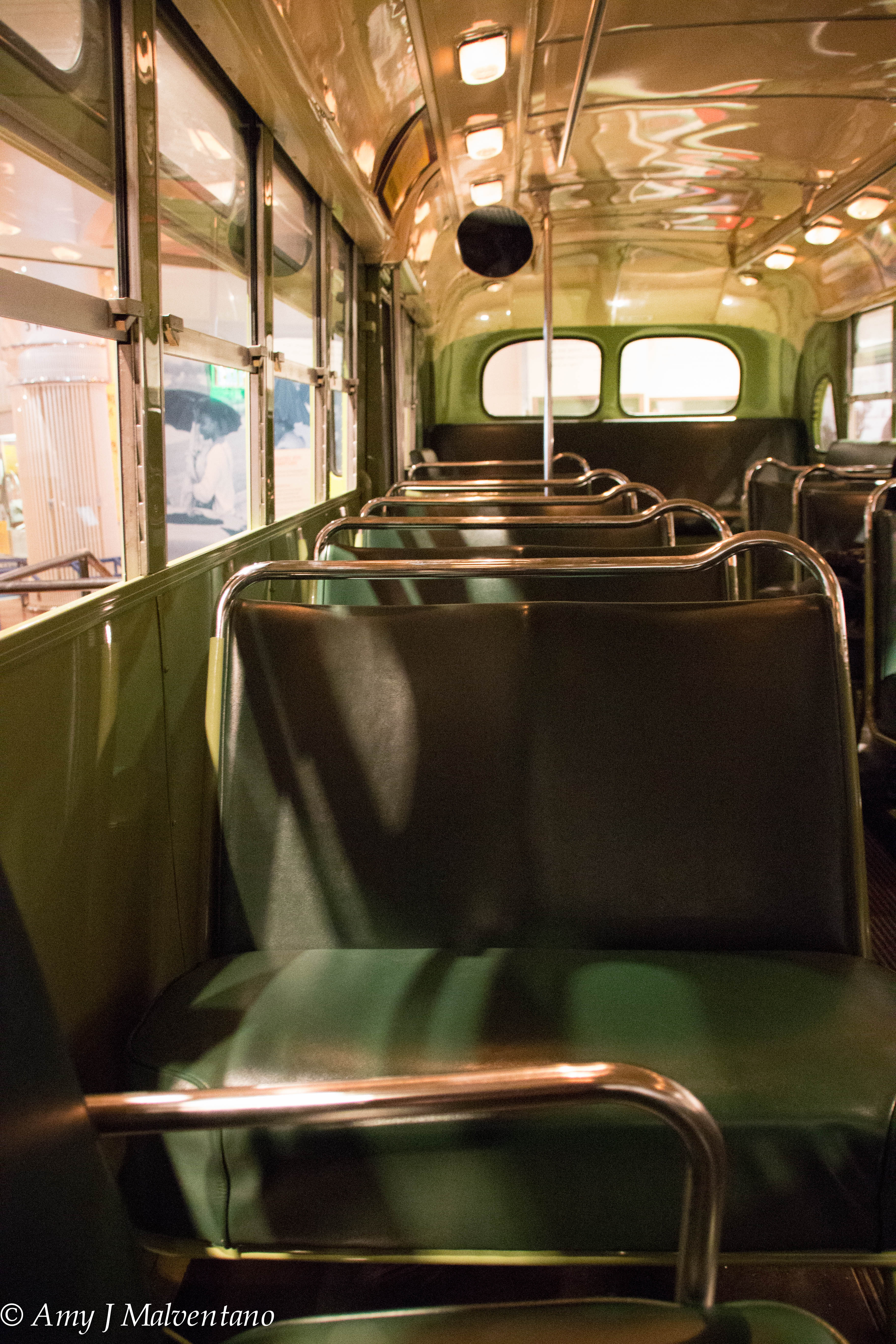

Other items in this exhibit space include documents spading from the time of the Civil War through the Civil Rights movement. The other famed artifact in this area is the Abraham Lincoln’s rocking chair.

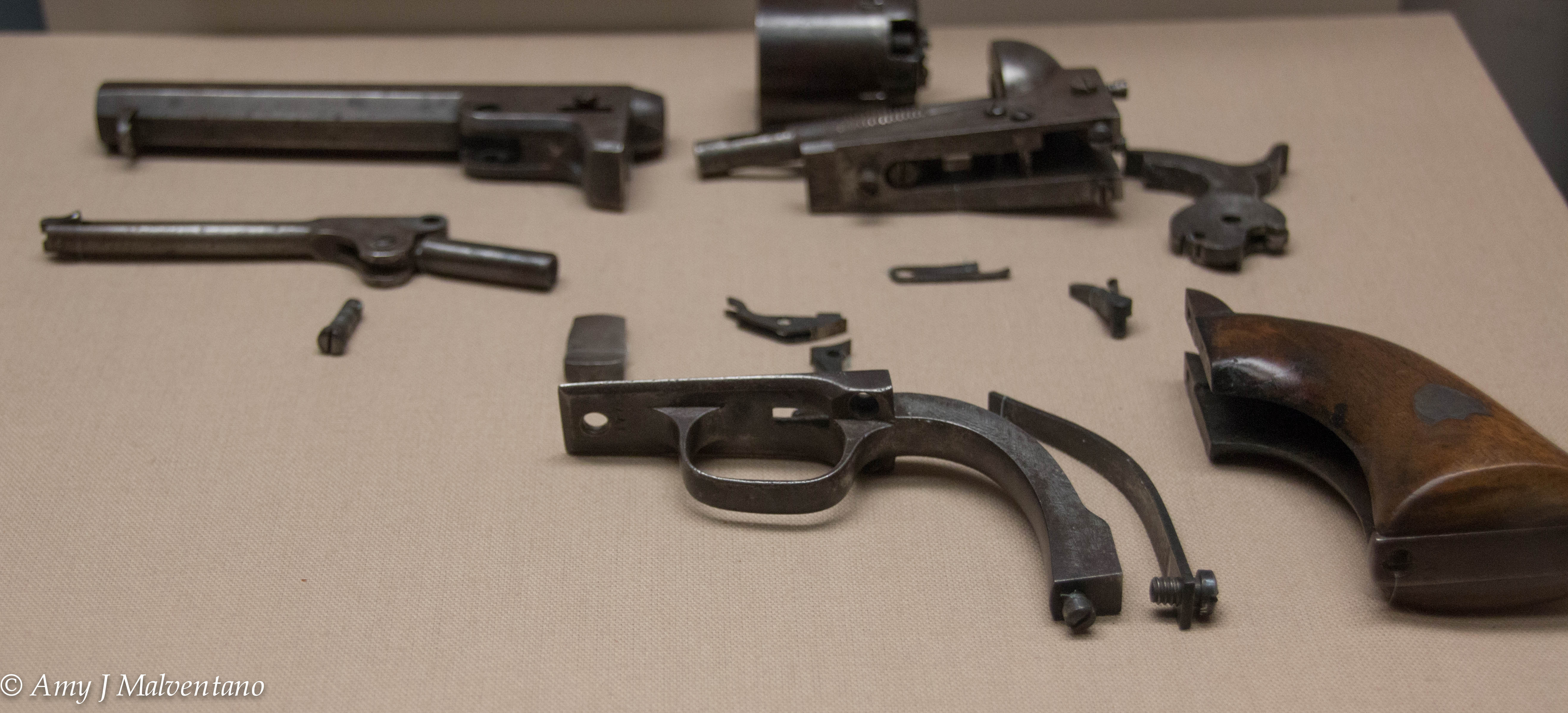
After being reminded about the cost of “freedom” you go back experiencing another exhibit area devoted to items “Made in America.” I found this “Made in America” section a bit more interesting that first we visited. Here you saw a collection of phones from wooden wall mounted telephone with a hand cranked magneto generator to push button slim line corded phone to an iPhone. There is a display on gun, which tells it history of the gun’s development and shows a small handle pistol in taken apart in pieces.
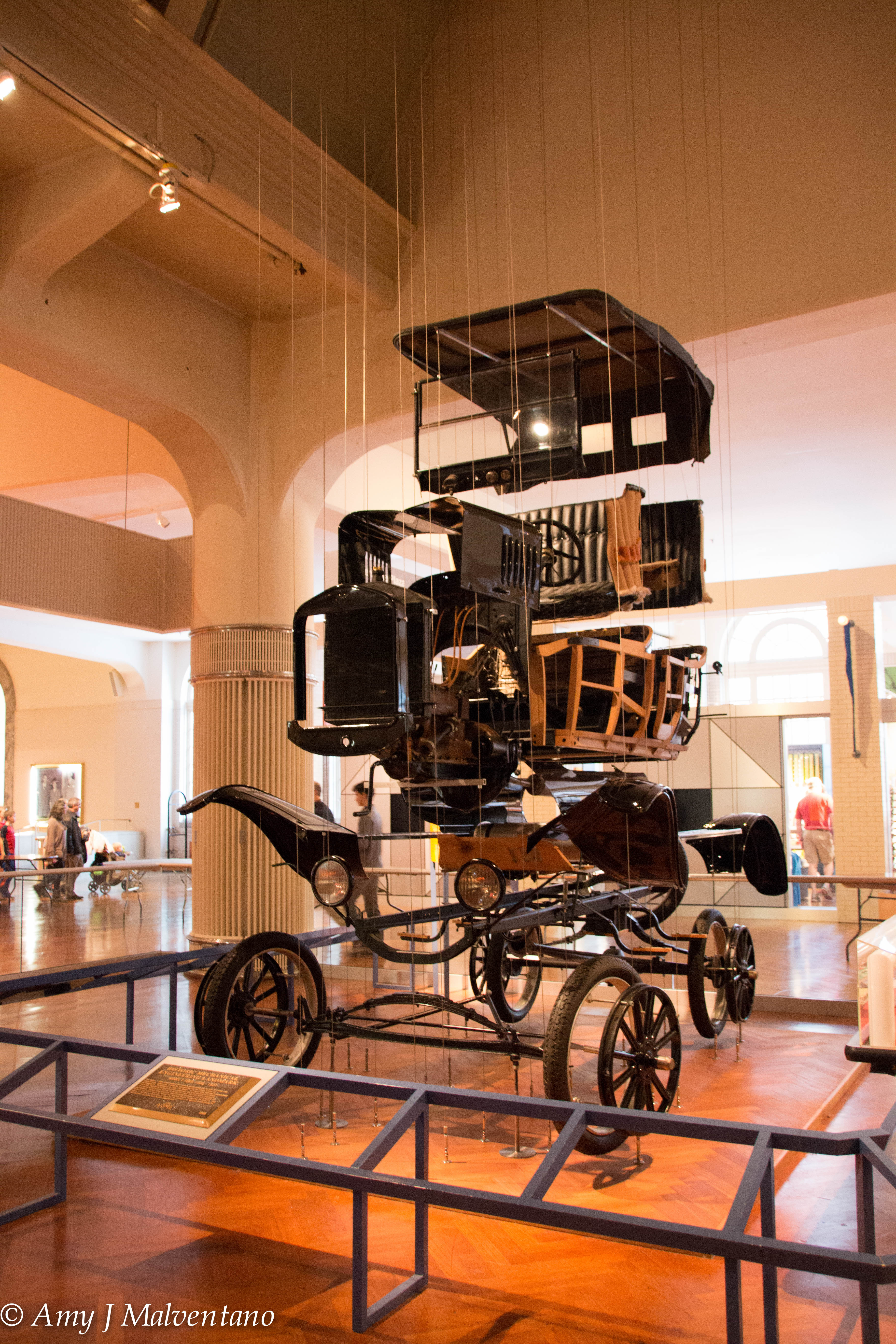
This exhibit area also gets back to automotive there is Model T pulled apart and suspended in the air. There is also several interactive exhibits in this area. Include one where each morning visitors assemble a Model T, after it is put together guest get to sit in the car, and one which allows your see what is like to work on the assemble line.
Along the same theme of made in American is an exhibit on the furniture that fill our home, including a modern reclining office chair which is taken apart and suspended allowing guest to see all of its parts.

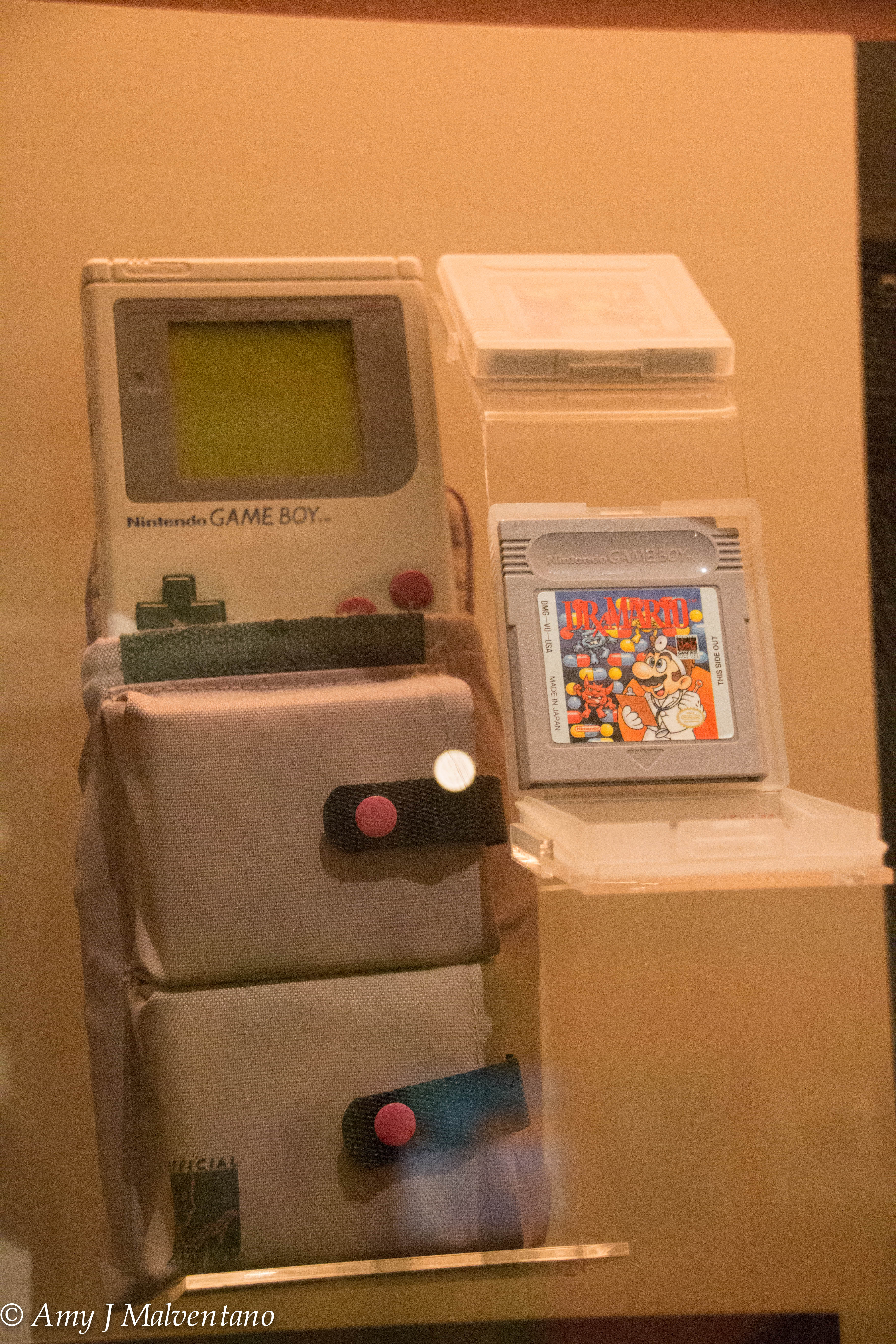
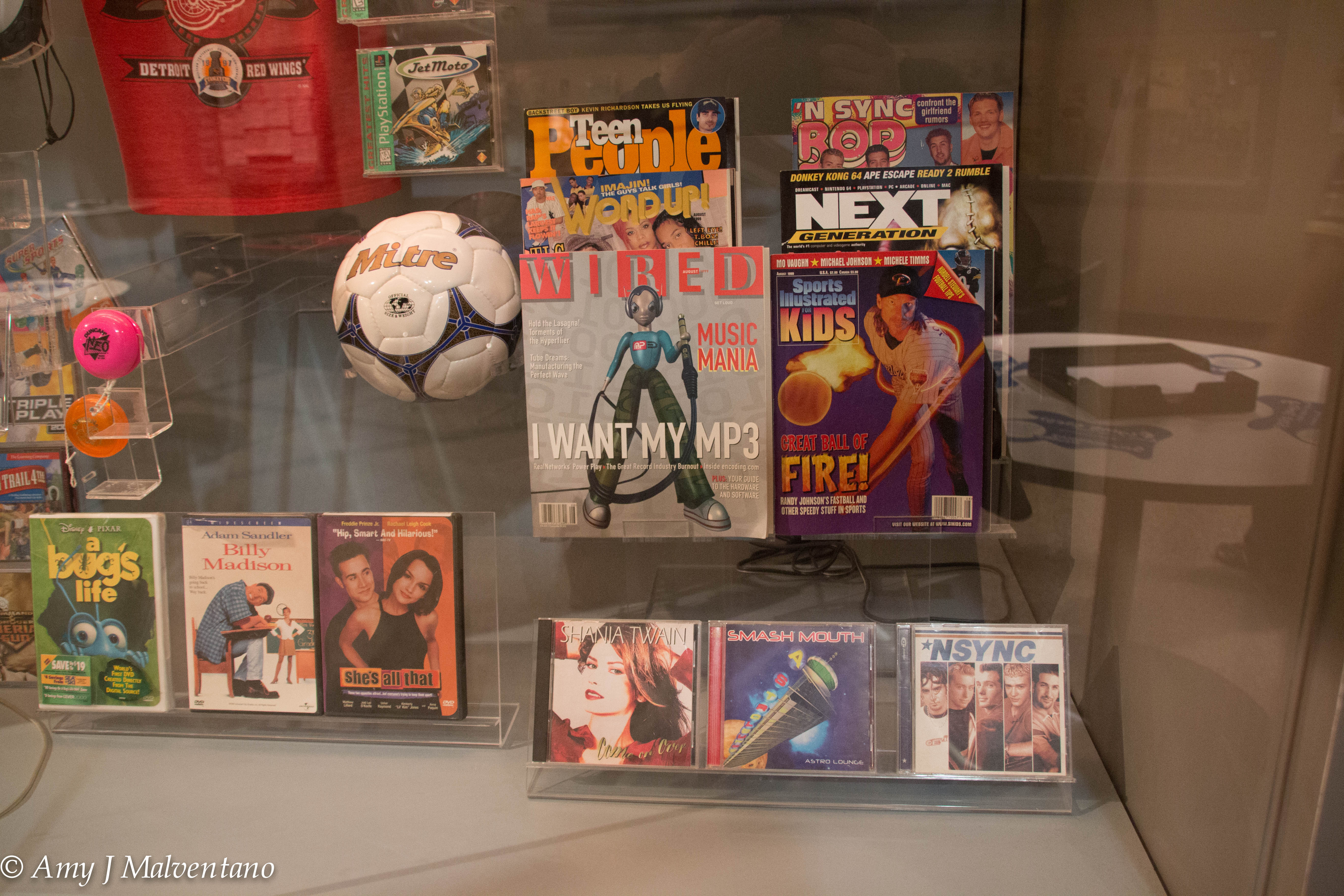
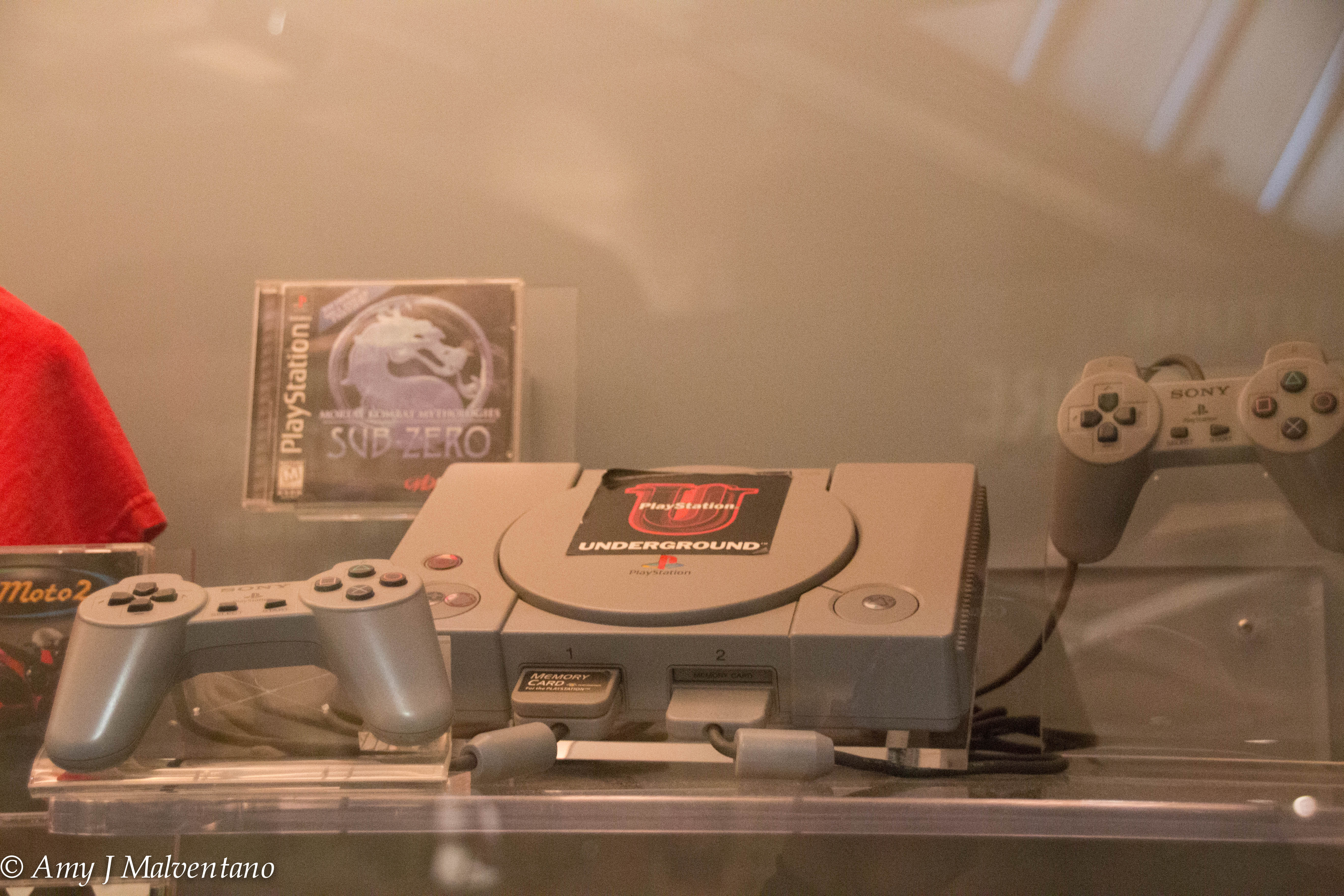
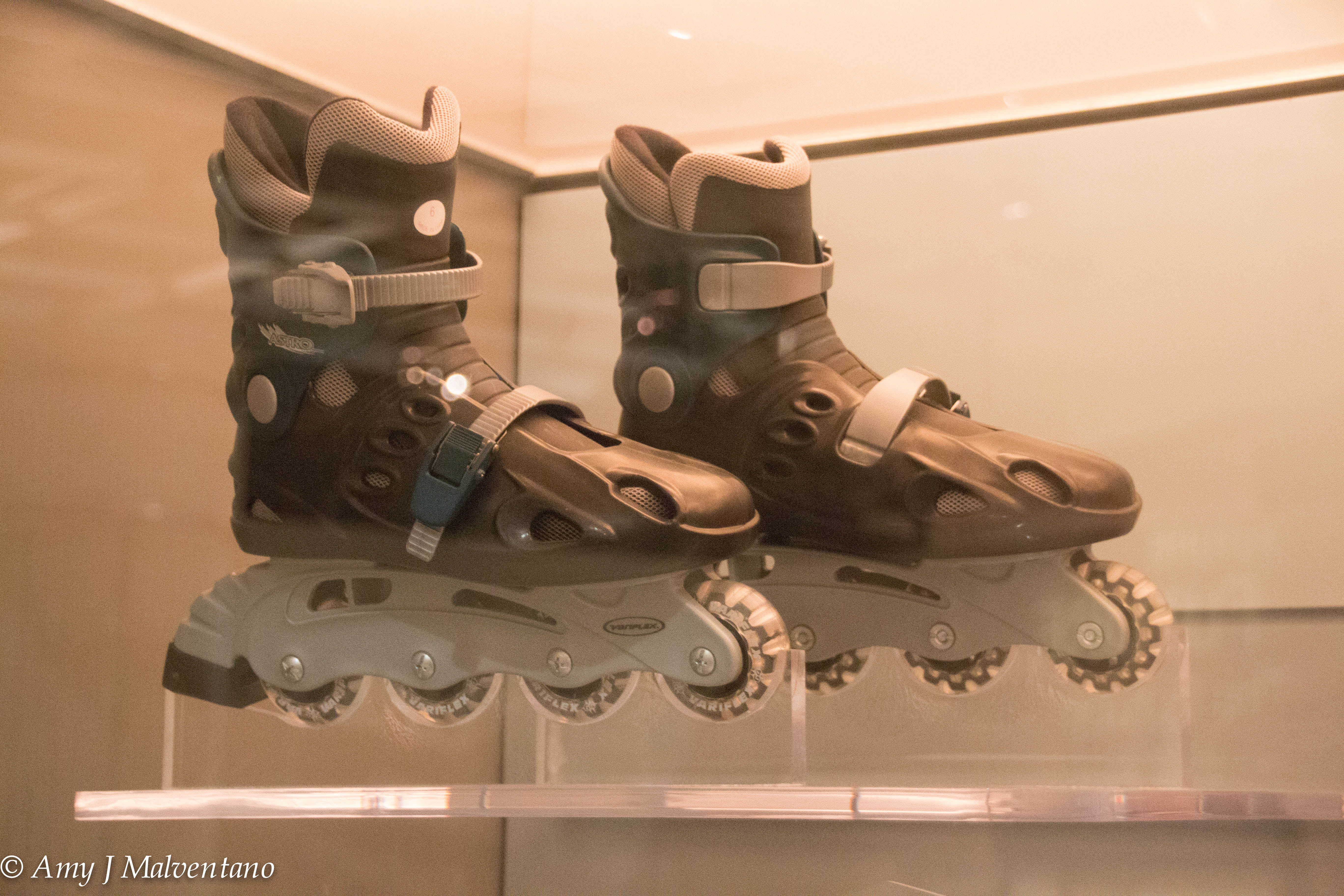
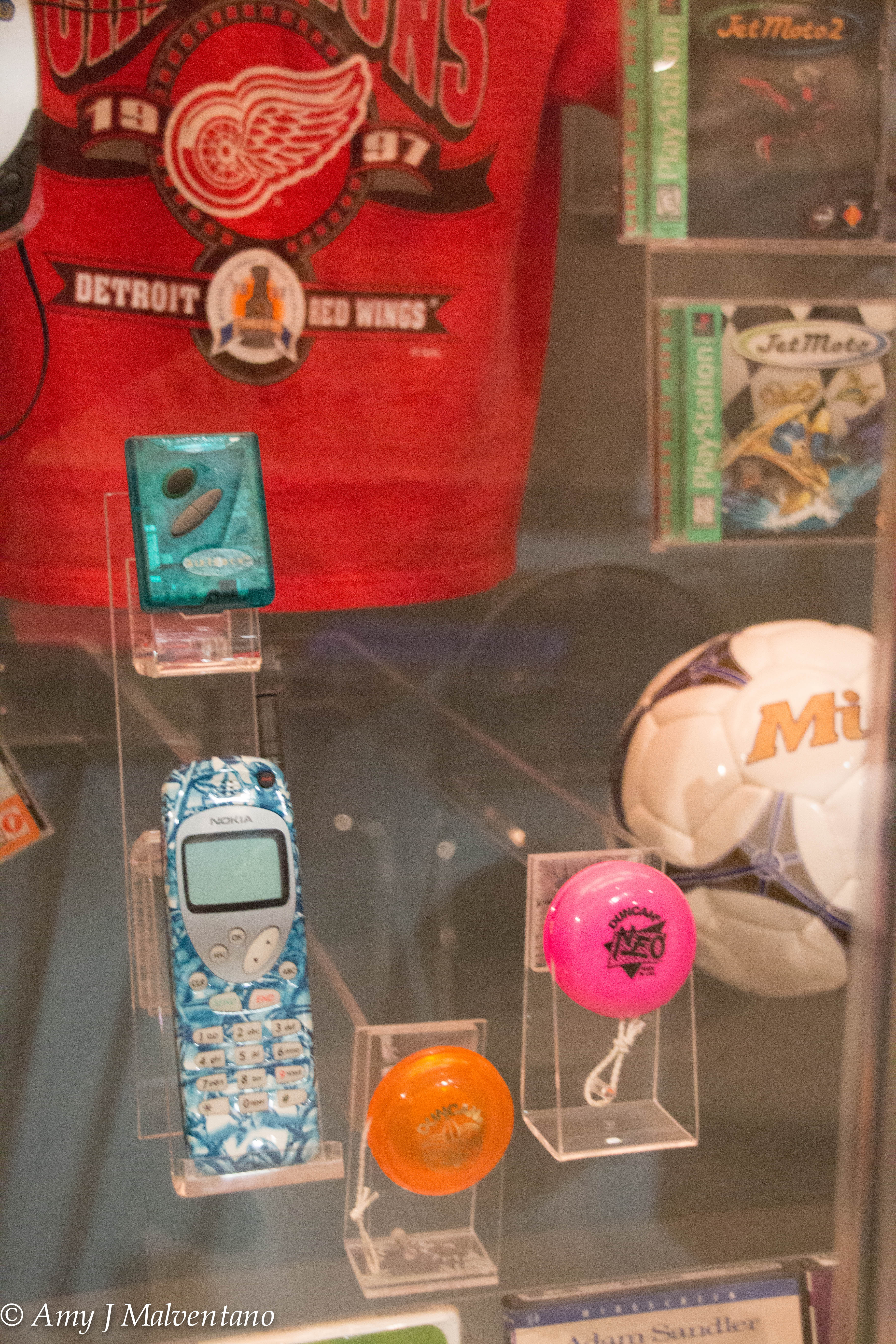
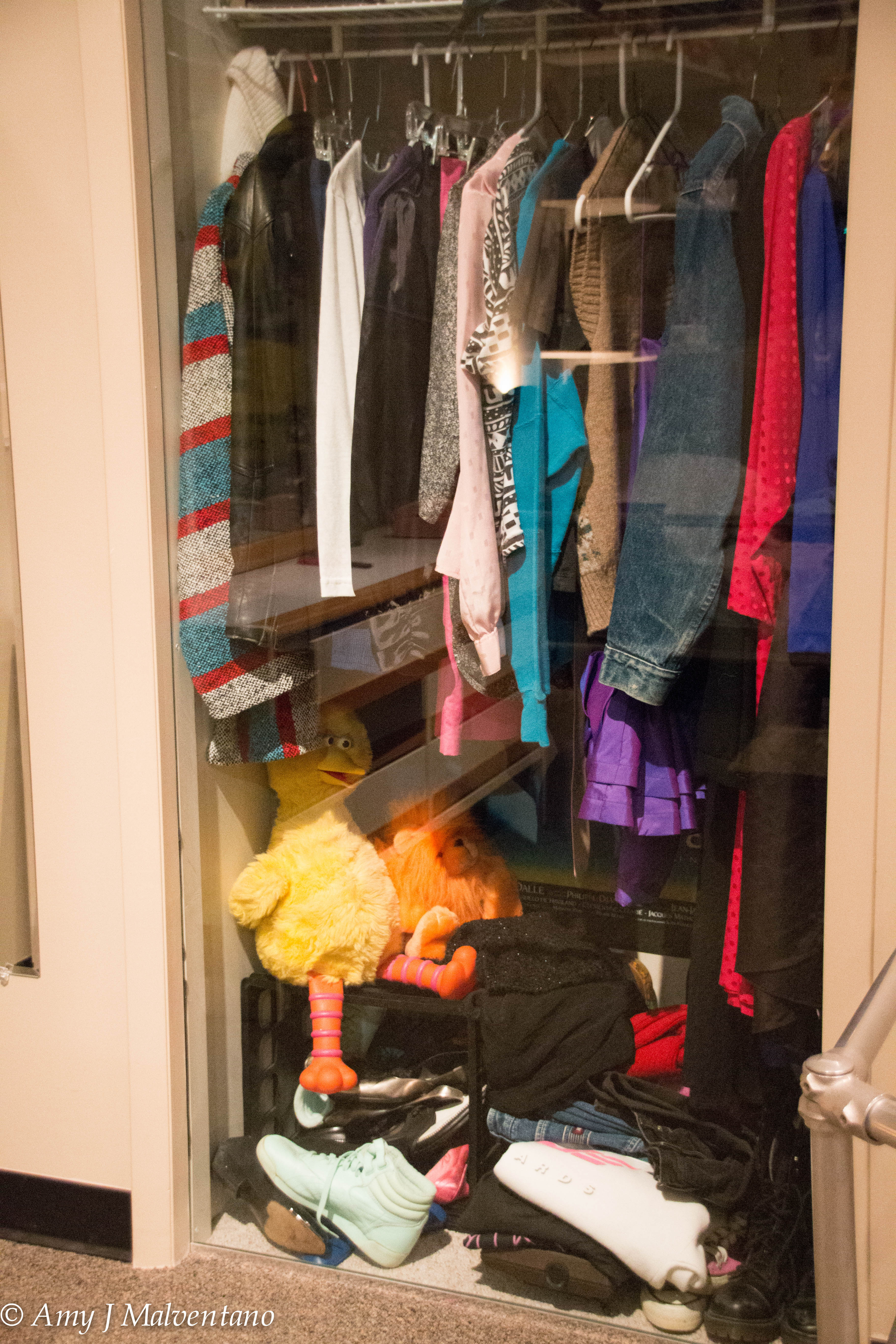
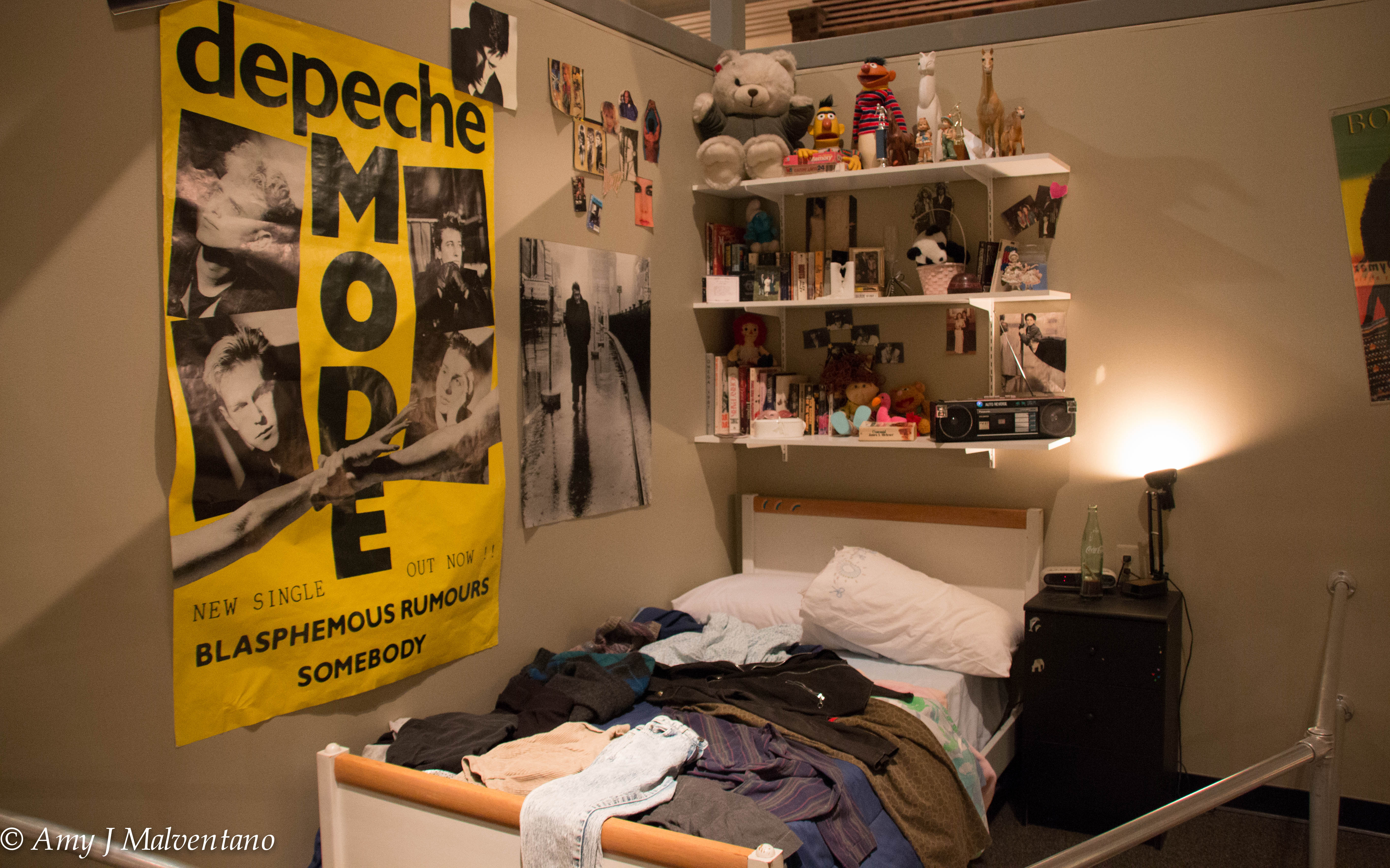
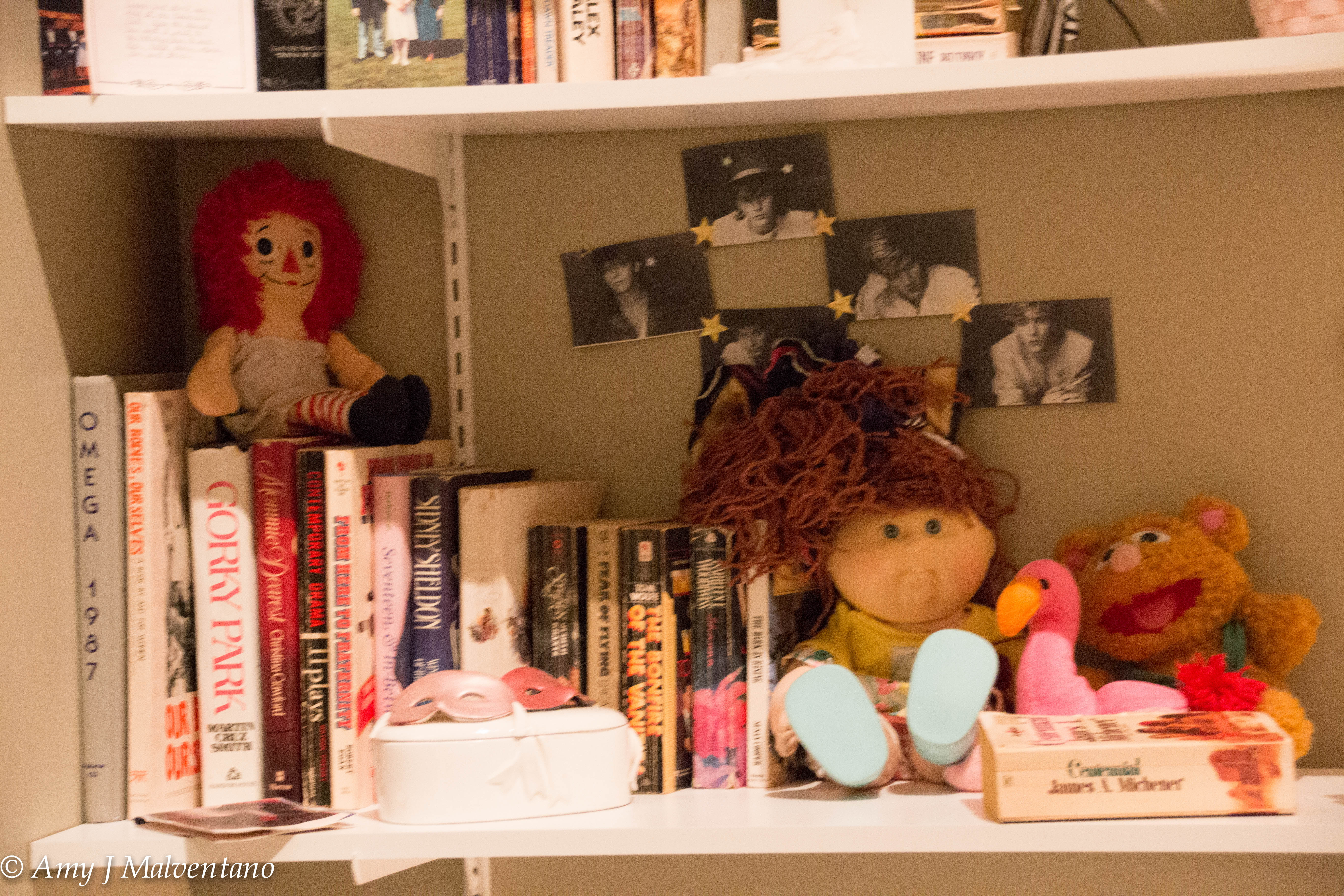
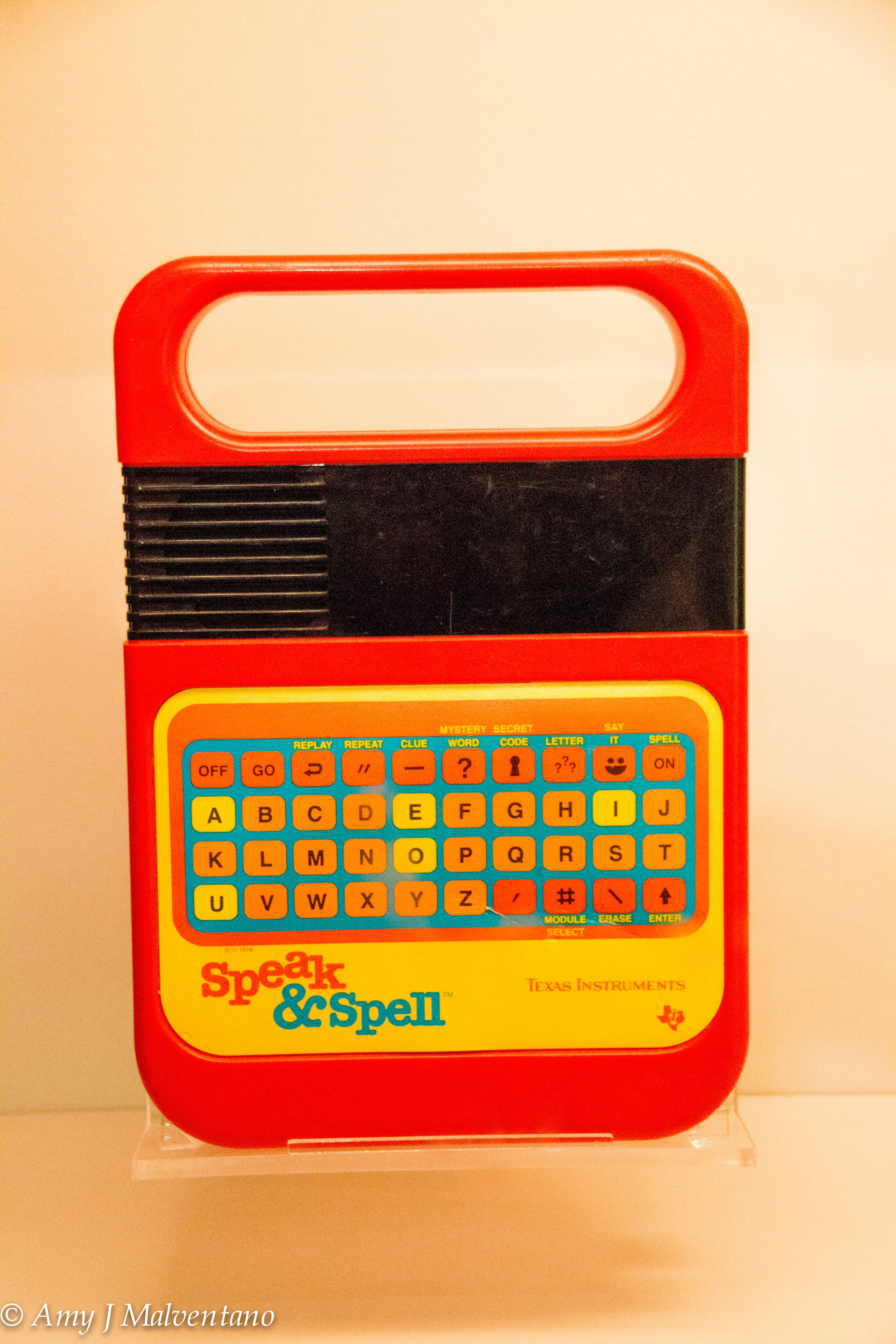
Then you move into a section devoted to “modern technology” in an exhibit area known as “Your Place in Time,” which looks at the items from the 21st century. Included in this area is the first Apple Computer, an example of a teenager’s bedroom from the 1990s, to various radio, television and iPods. Walking through this exhibit was like reliving my childhood years!


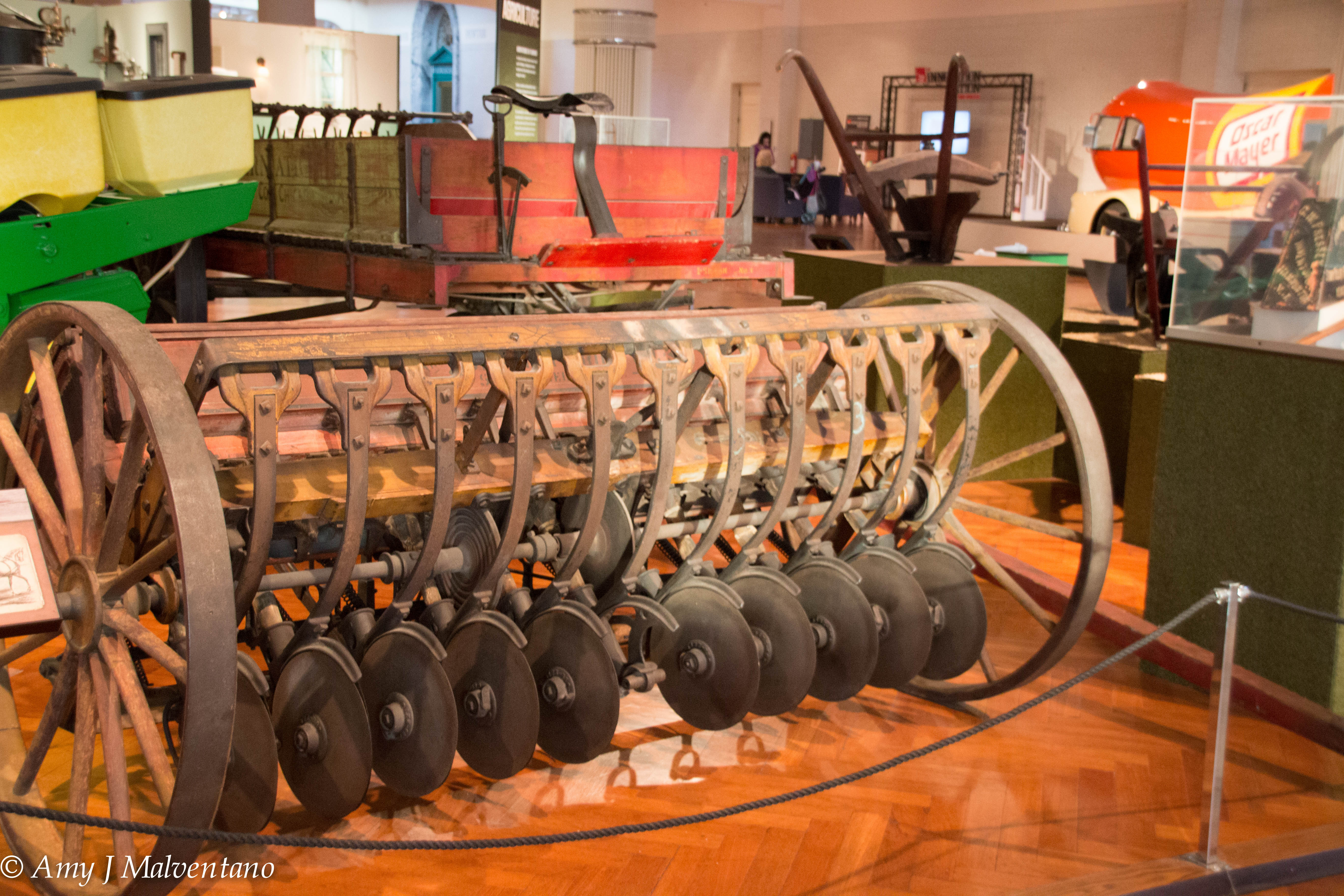
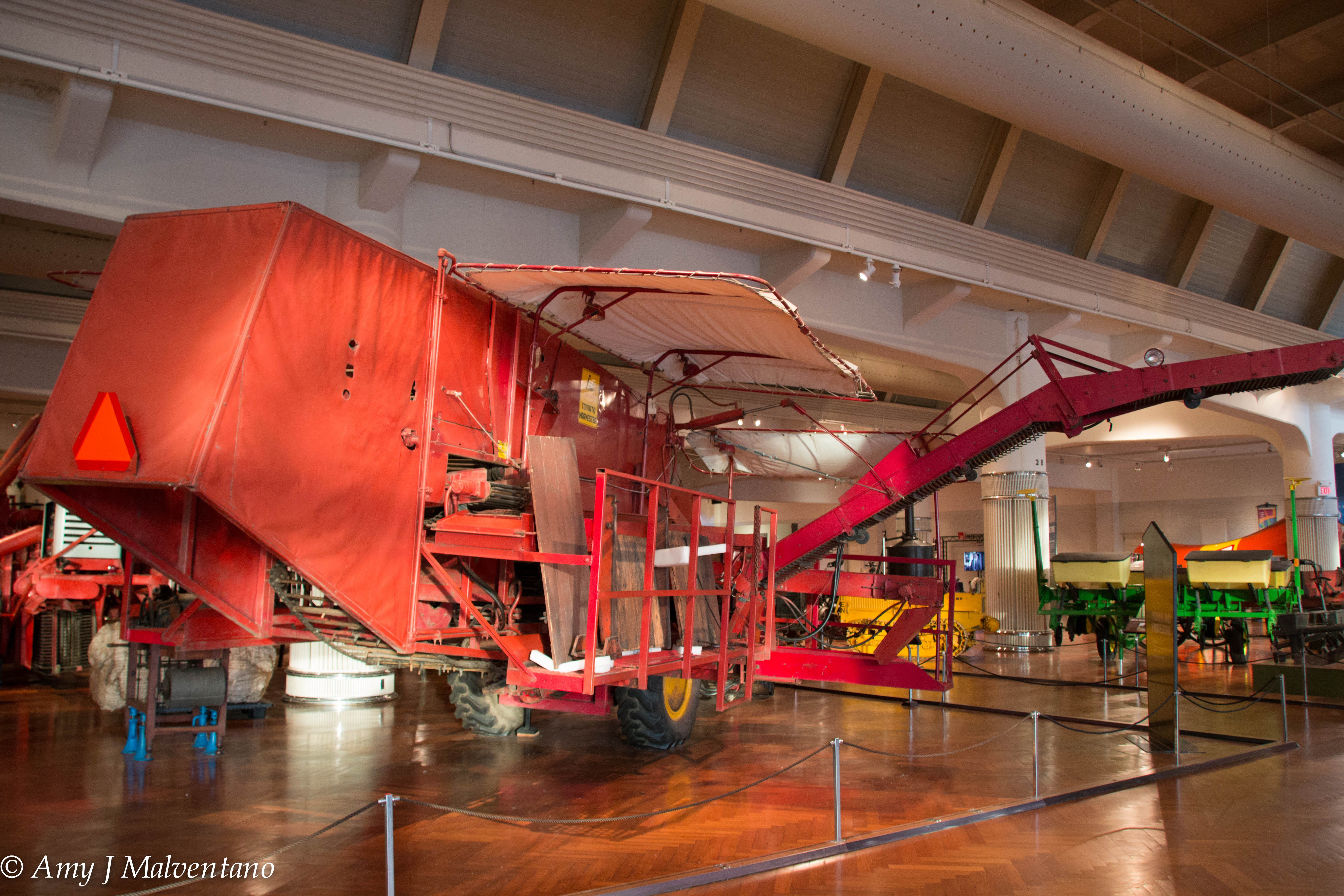
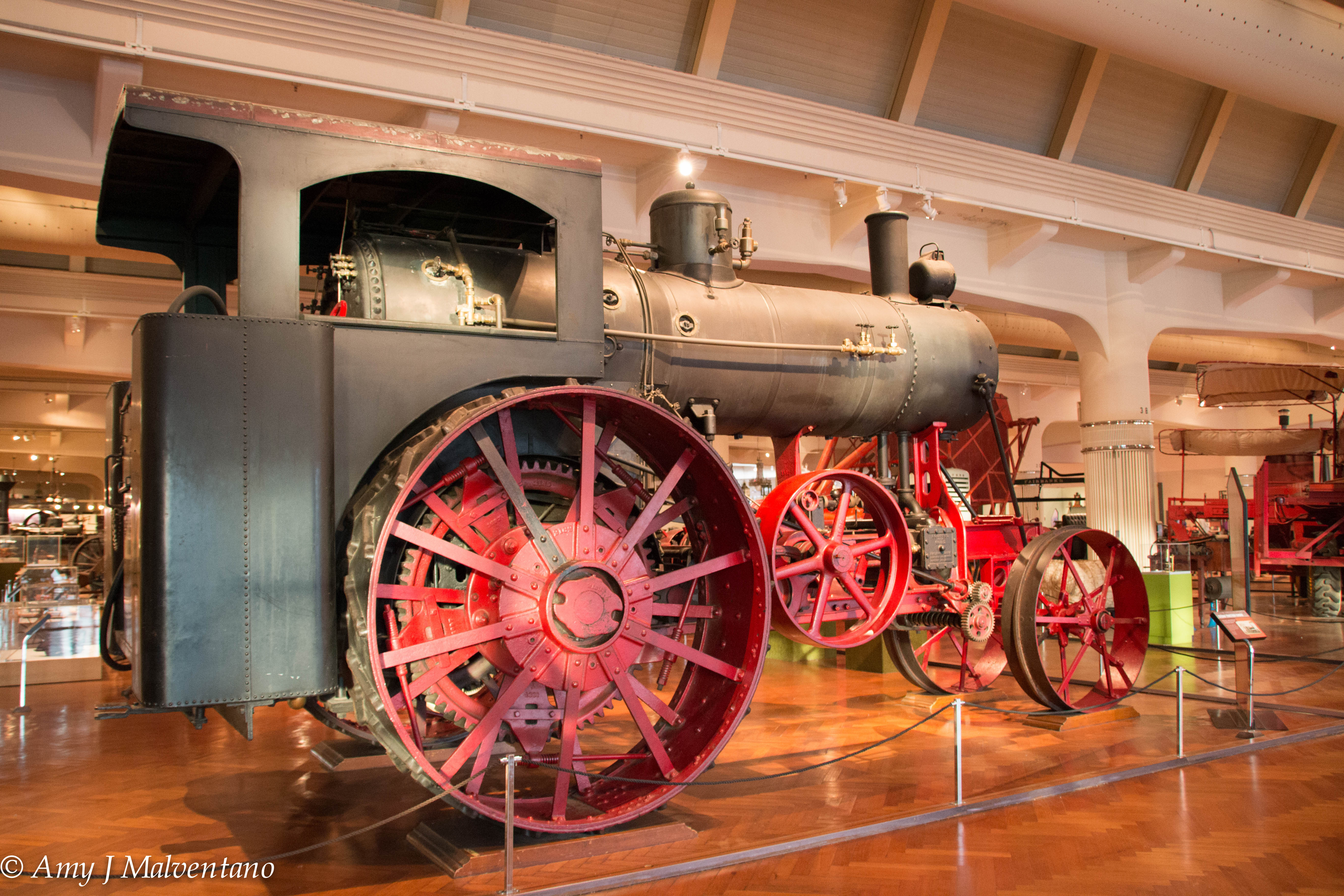
The final exhibit is of agriculture implements. I found this exhibit interesting since I came from a farm / ranch family. To my surprise I was familiar with many of the implements and different types of tractors. I think it is interesting that even with the advancements in technology agriculture implements just come more efficient, their purpose does not change.

The final items you see before leaving the museum is the Oscar Mayer Wienermobile. This is definitely a statement of American culture. It should also be noted that is located near café in the museum.
I loved visiting the Henry Ford. We easily spent a day here and it was worth every minute. I cannot wait to return and explore the museum more. I also look forward to visiting Greenfield Village in the spring.
 Finding Amy